the law of the land and dont be scared of country codes. they made treaties with us before country codes
- Michael Stover
- Jul 26, 2025
- 1 min read

Updated: Aug 21, 2025
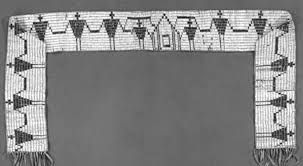
Introduction
The George Washington Belt, also known as the Guswenta, is a significant wampum belt that commemorates the Treaty of Canandaigua, signed in 1794. This treaty, between the Iroquois Confederacy (Haudenosaunee) and the United States, established a relationship of peace and friendship. The belt, which is held by the Onondaga Nation, is a powerful symbol of this agreement and the enduring sovereignty of the Haudenosaunee people.
The wampum belt is made of purple and white beads, with a series of figures and symbols woven into its design. The figures represent the different nations of the Iroquois Confederacy, while the central figure of a longhouse symbolizes the unity of the Haudenosaunee. The belt also features two figures shaking hands, representing the peace agreement between the Haudenosaunee and the United States.
The Guswenta, or George Washington Belt, serves as a reminder of the promises made in the Treaty of Canandaigua. The treaty recognized the sovereign rights of the Haudenosaunee and their right to their traditional lands. It also established a peaceful relationship between the two nations, which was to be based on mutual respect and non-interference.
The George Washington Belt is more than just a historical artifact; it is a living symbol of the Haudenosaunee people's history, culture, and sovereignty. It is a testament to the importance of treaties and the need for a just and respectful relationship between nations. The belt continues to be used in ceremonies and other important events, and it serves as a powerful reminder of the enduring legacy of the Haudenosaunee people.


Comments